


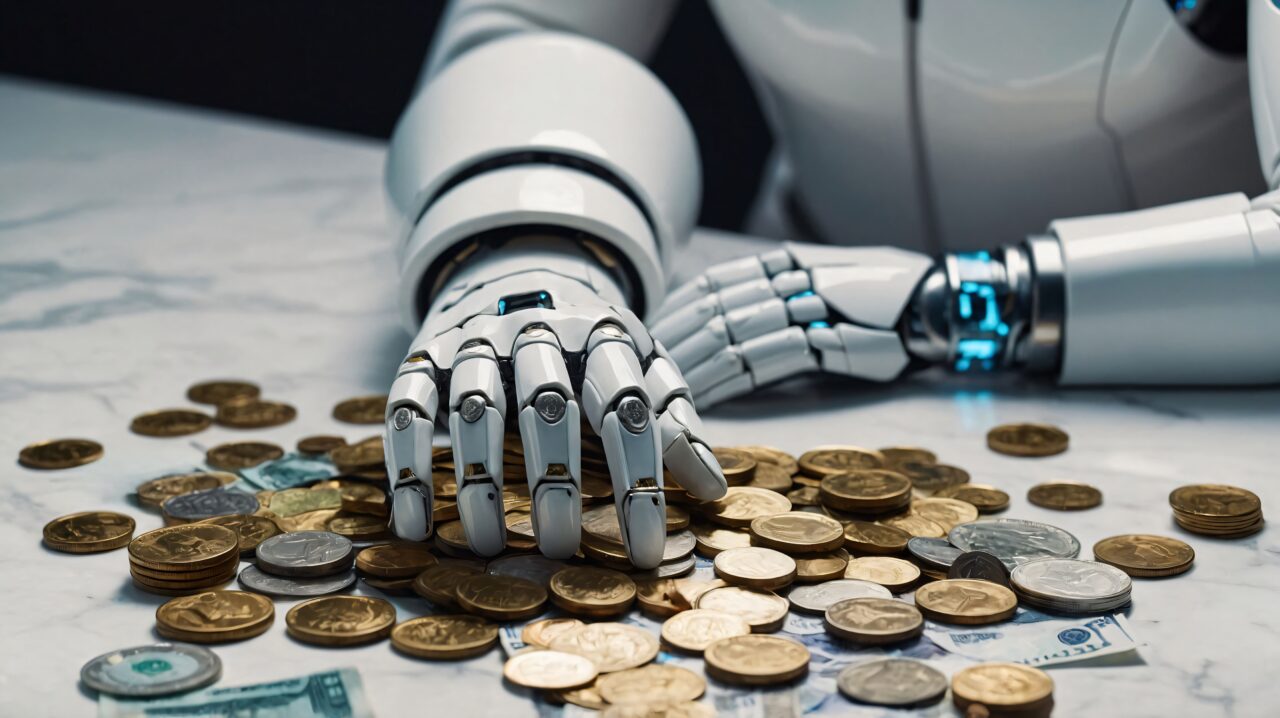
Artificial intelligence is no longer a concept of the future. It has become one of the most powerful forces shaping the global economy. Across industries and regions, the economic impact of AI is being felt through new business models, redefined job roles, and a growing reliance on intelligent systems to make decisions and drive efficiency. As this technology continues to evolve, it is creating opportunities for innovation and growth, but also introducing challenges that demand thoughtful management. The way nations and businesses navigate this transformation will determine their competitiveness and resilience in the years ahead.
1. AI as a Catalyst for Economic Transformation
The economic impact of AI begins with its ability to boost productivity and streamline operations. From manufacturing to marketing, AI is helping organizations identify trends, optimize resources, and make faster, data-informed decisions. For businesses, this means improved efficiency and better forecasting. For consumers, it often results in more personalized products and services. Governments are also exploring how AI can enhance infrastructure planning, digital services, and public sector innovation.
These developments together form the backbone of AI-driven GDP growth, as economies integrate intelligent technologies into their core processes.
2. Job Creation and Automation
One of the most widely discussed consequences of this transformation is how AI affects employment. The AI job creation vs automation debate has two sides. On one hand, automation is changing traditional job structures and replacing some routine tasks. On the other hand, AI is also creating new roles that involve creativity, problem-solving, and technical expertise.
In reality, AI is not simply taking jobs away but reshaping them. People and machines are increasingly working together, with humans focusing on innovation while AI handles repetitive and analytical work. The challenge lies in providing the right education and training so workers can transition into new roles within the AI economy 2025.
3. Emerging AI Economy and Innovation
The AI economy 2025 represents a new era of innovation. Businesses are using AI to identify opportunities that were once hidden in plain sight. Whether it is predicting customer preferences, designing smarter logistics, or improving product design, AI is enabling a more efficient and creative global economy. This new wave of global AI adoption is giving rise to smarter cities, stronger industries, and more responsive organizations. AI is becoming deeply integrated into the daily operations of companies, from automated assistants in customer service to intellig
- AI investment trends
ent algorithms shaping financial decisions.
4. Investment and Industry Growth
The economic impact of AI is also visible in the way organizations allocate resources. Business leaders are investing in AI-driven solutions to gain an advantage in competitive markets.
The most successful companies recognize that AI is not just a technical upgrade but a strategic necessity. The latest AI investment trends show that organizations embracing automation and machine learning are improving not only their performance but also their long-term sustainability. Startup
- AI investment trends
s and large corporations alike are finding that collaboration between human creativity and AI capability opens new pathways to innovation and market growth.
5. Ethical and Regulatory Challenges
While AI’s potential is vast, it also raises important questions about fairness, privacy, and accountability. The economic impact of AI introduces complex ethical challenges, requiring balance between technological innovation and social responsibility.
Governments and businesses are now focusing on transparency and trust. As new laws and frameworks are introduced, the goal is to ensure that AI serves society rather than disrupts it. Ethical use of AI is not just a moral obligation but a strategic one, as organizations that prioritize responsible innovation are more likely to thrive in the long term. These discussions are helping to shape how AI integrates into global economies in a sustainable and equitable way.
6. Shaping a Sustainable Future
Another important dimension of the economic impact of AI is sustainability. As AI systems become more advanced, they can help industries manage resources more effectively, minimize waste, and develop greener technologies.
This growing emphasis on AI-driven GDP growth goes hand in hand with a commitment to responsible progress. The future of business success will not depend solely on profits but on how effectively AI can support both economic advancement and environmental outcomes.
7. Building a Human-Centered AI Economy
Ultimately, the strength of the AI economy 2025 will depend on its human foundation. Technology can optimize, predict, and automate, but it cannot replace the creativity, ethics, and emotional intelligence of people.
Global AI adoption must therefore be guided by human oversight, empathy, and a sense of purpose. The organizations that succeed will be those that use AI to empower their people rather than replace them. The focus should not be on what AI can take away but on what it can enable. When implemented thoughtfully, AI can drive inclusive progress that benefits economies, communities, and individuals.
Looking Forward
The pace of technological change will only accelerate in the next decade. The economic impact of AI is already setting the stage for deeper innovation and transformation across industries. The coming years will challenge governments to craft flexible policy frameworks, businesses to invest in ethical and scalable AI systems, and individuals to embrace lifelong learning. Together, these efforts will determine how effectively societies can turn the promise of artificial intelligence into a source of shared prosperity.
The AI-driven GDP growth of the future will stem not just from technical achievement but from human vision and collaboration. The story of AI and the economy is not one of machines taking over, but of people and technology evolving together to create a smarter, fairer world.