


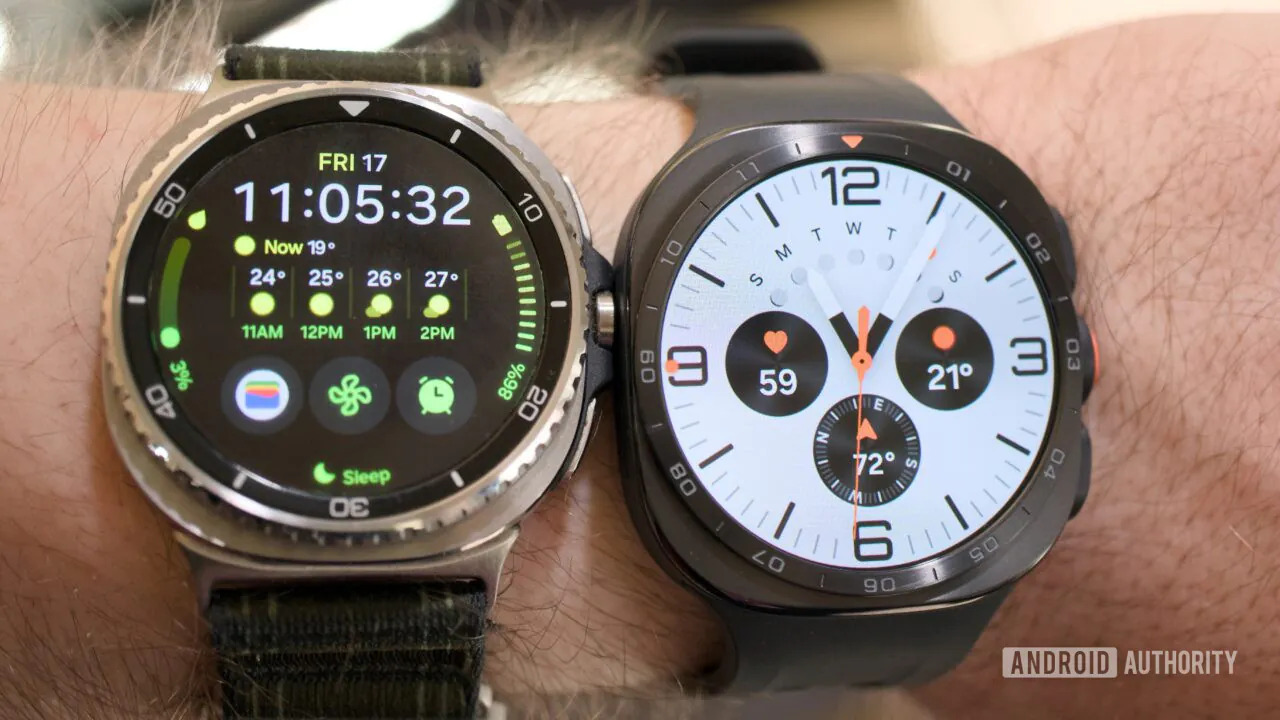
How Qualcomm’s New Wearable Platform Could Shape the Future of AI-Powered Smartwatches
The smartwatch industry is entering a new era where artificial intelligence is becoming just as important as battery life, display quality, and fitness tracking. Consumers no longer expect wearable devices to simply count steps or display notifications. Instead, they want smartwatches capable of understanding voice commands, providing personalized health insights, supporting on-device AI, and delivering seamless performance throughout the day.
To meet these expectations, Qualcomm continues to evolve its wearable chipset portfolio. The arrival of the Snapdragon Wear Elite platform has generated significant interest among manufacturers, developers, and technology enthusiasts who are eager to understand how it compares with the widely adopted Snapdragon W5+ platform.
The discussion around Snapdragon Wear Elite vs Snapdragon W5+ is not simply about processor speed. It reflects a broader shift toward AI-first wearable computing, where intelligent software and efficient hardware work together to deliver faster, smarter, and more personalized user experiences.
This article explores the architectural improvements, AI capabilities, performance expectations, battery efficiency, and practical implications of Qualcomm’s newest wearable platform while helping consumers understand which chipset may be better suited for the next generation of AI smartwatches.
The Evolution of Qualcomm’s Wearable Chipsets
Over the past decade, Qualcomm has played a major role in powering Wear OS devices through successive generations of wearable processors.
Earlier smartwatch chips focused primarily on:
- Notification handling
- Basic fitness tracking
- Bluetooth connectivity
- Power management
Today’s wearable devices demand much more.
Modern smartwatches now support:
- AI voice assistants
- Sleep analysis
- ECG monitoring
- Blood oxygen tracking
- Fitness coaching
- Navigation
- Contactless payments
- On-device AI processing
These growing workloads require significantly more computing power while maintaining exceptional battery efficiency.
This evolution explains why Qualcomm wearable chips continue advancing with greater emphasis on AI acceleration and low-power computing.
Understanding Snapdragon W5+
Before comparing both platforms, it is important to understand why Snapdragon W5+ became one of Qualcomm’s most successful smartwatch processors.
The W5+ platform introduced several improvements over previous generations, including:
- Better CPU performance
- Lower power consumption
- Improved graphics
- Dedicated low-power co-processor
- Enhanced connectivity
- Better support for Wear OS
These improvements allowed smartwatch manufacturers to deliver smoother user experiences while extending battery life.
Many premium Wear OS watches adopted the W5+ platform because it balanced performance with energy efficiency.
What Is Snapdragon Wear Elite?
The Snapdragon Wear Elite platform represents Qualcomm’s next step toward AI-enabled wearable computing.
Rather than focusing only on faster processing, the platform emphasizes:
- AI-assisted experiences
- Intelligent health monitoring
- Faster application performance
- Enhanced graphics
- Improved energy efficiency
- Smarter sensor processing
The goal is to enable future smartwatches that can process more information directly on the device instead of depending entirely on cloud services.
This approach improves both privacy and responsiveness.
Snapdragon Wear Elite vs Snapdragon W5+: Key Differences
The comparison between Snapdragon Wear Elite vs Snapdragon W5+ extends across several important categories.
AI Processing
One of the biggest improvements expected from Snapdragon Wear Elite is its stronger focus on artificial intelligence.
Compared with W5+, the newer platform is designed to better support:
- On-device AI assistants
- Voice recognition
- Personalized recommendations
- Health prediction models
- Context-aware computing
These capabilities allow smartwatches to respond faster while reducing dependence on internet connectivity.
CPU Performance
The Snapdragon Wear Elite platform is expected to deliver improved CPU efficiency for handling multitasking and more demanding wearable applications.
This may result in:
- Faster app launches
- Smoother interface animations
- Better background processing
- Improved overall responsiveness
For users, these improvements translate into a more fluid smartwatch experience.
Graphics Improvements
Smartwatch displays continue becoming larger and more visually advanced.
Enhanced graphics capabilities allow manufacturers to support:
- Richer watch faces
- Smooth transitions
- Animated interfaces
- Interactive widgets
The Elite platform is expected to provide better graphics performance while maintaining power efficiency.
Battery Efficiency
Battery life remains one of the most important purchasing factors for smartwatch users.
Rather than increasing battery size, Qualcomm focuses on improving energy efficiency.
The Snapdragon Wear Elite platform introduces architectural improvements that help optimize:
- AI workloads
- Sensor management
- Background processing
- Connectivity
This allows devices to perform more tasks without significantly reducing battery life.
Why AI Matters in Smartwatch Processors
Artificial intelligence is rapidly becoming the defining feature of modern wearables.
Traditional smartwatch software followed predefined rules.
AI-powered smartwatches can now:
- Learn user habits
- Predict activity patterns
- Improve workout recommendations
- Detect health anomalies
- Optimize battery usage
These capabilities depend heavily on powerful wearable AI chips.
Without dedicated AI acceleration, many advanced smartwatch features would require cloud processing, increasing latency and reducing privacy.
Snapdragon Smartwatch Chipset and On-Device AI
The future of every Snapdragon smartwatch chipset is moving toward local AI processing.
On-device AI offers several advantages.
Faster Responses
Voice assistants respond more quickly because requests can be processed directly on the watch.
Better Privacy
Sensitive health information remains on the device whenever possible.
Offline Functionality
Certain AI features continue working even without internet connectivity.
Lower Power Consumption
Optimized AI hardware performs specific tasks more efficiently than general-purpose processors.
Qualcomm Smartwatch Processor Comparison
When comparing Qualcomm’s wearable platforms, several categories become important.
| Feature | Snapdragon W5+ | Snapdragon Wear Elite |
| AI Performance | Strong | Enhanced AI acceleration |
| CPU Efficiency | High | Improved |
| Graphics | Advanced | More capable |
| Battery Optimization | Excellent | Further optimized |
| On-device AI | Supported | Expanded capabilities |
| Future AI Workloads | Good | Better prepared |
Although exact performance varies depending on device manufacturers and software optimization, the Elite platform is designed to support increasingly sophisticated AI-powered experiences.
AI Smartwatch Processors Explained
Many consumers ask:
What makes AI smartwatch processors different?
Traditional smartwatch processors mainly execute applications.
AI processors also include specialized hardware capable of accelerating machine learning workloads.
This enables features such as:
- Real-time language processing
- Voice recognition
- Health analysis
- Gesture detection
- Personalized coaching
As wearable AI becomes more advanced, dedicated AI hardware will become increasingly important.
Which Smartwatch Users Benefit Most?
The Snapdragon Wear Elite platform may particularly benefit:
Fitness Enthusiasts
Improved AI enables smarter coaching and better workout insights.
Health-Conscious Users
AI can help analyze health metrics more intelligently.
Professionals
Faster multitasking improves productivity throughout the day.
Developers
The enhanced platform creates opportunities for more sophisticated wearable applications.
Best Wearable Chipset in 2026?
One of the most searched questions is:
Which is the best wearable chipset in 2026?
The answer depends on user priorities.
For existing Wear OS devices, Snapdragon W5+ continues offering excellent performance and battery efficiency.
However, Snapdragon Wear Elite appears better positioned for the next generation of AI-powered wearable experiences.
Its stronger AI capabilities make it more future-ready as smartwatch software increasingly depends on machine learning.
Future of Qualcomm Wearable Chips
The evolution of Qualcomm wearable chips reflects larger technology trends.
Future smartwatch processors will likely emphasize:
- Larger AI models
- Advanced health monitoring
- Predictive wellness insights
- Real-time language translation
- Context-aware computing
- Smarter battery management
These innovations will transform smartwatches from accessory devices into intelligent personal assistants.
Final Verdict
The debate around Snapdragon Wear Elite vs Snapdragon W5+ represents more than a hardware upgrade-it highlights the industry’s shift toward AI-first wearable computing.
While the Snapdragon W5+ remains a capable and efficient platform powering many premium smartwatches, Snapdragon Wear Elite introduces improvements designed to support increasingly intelligent wearable experiences. Enhanced AI acceleration, better power optimization, improved graphics performance, and stronger support for on-device machine learning make it well suited for the next generation of Wear OS devices.
For consumers planning to purchase a new smartwatch in the coming years, devices powered by Snapdragon Wear Elite are likely to deliver more personalized experiences, faster AI features, and longer-term software capabilities.
As wearable technology continues evolving, Qualcomm’s focus on combining efficient processing with advanced artificial intelligence is expected to play a significant role in shaping the future of smartwatches.
Blog FAQ:
1: What is Snapdragon Wear Elite?
Snapdragon Wear Elite is Qualcomm’s latest premium wearable processor designed to power the next generation of AI-enabled smartwatches. It builds on previous Snapdragon Wear platforms by delivering improved processing performance, enhanced power efficiency, and stronger on-device artificial intelligence capabilities. The chipset is designed to support advanced health monitoring, faster app performance, smarter voice assistants, and AI-powered features while maintaining long battery life. It is expected to become a key platform for future Wear OS smartwatches focused on intelligent, personalized user experiences.
2: How does Snapdragon Wear Elite compare to Snapdragon W5+?
The Snapdragon Wear Elite vs Snapdragon W5+ comparison shows that the newer chipset focuses primarily on advancing AI performance while also improving overall system efficiency. Snapdragon W5+ already offers strong battery optimization and reliable performance for Wear OS devices, but Snapdragon Wear Elite is designed to better support on-device AI processing, enhanced graphics, faster multitasking, and more intelligent health and fitness features. While W5+ remains a capable platform, Wear Elite is positioned to meet the increasing demands of AI-powered wearable applications.
3: Is Snapdragon Wear Elite better for AI-powered smartwatches?
Yes, Snapdragon Wear Elite is designed specifically to enhance AI-powered smartwatch experiences. It includes improvements that enable faster voice recognition, smarter health insights, personalized recommendations, and more efficient on-device machine learning. By processing many AI tasks directly on the smartwatch instead of relying on cloud services, the chipset delivers quicker responses, improved privacy, and better energy efficiency. This makes it well suited for the next generation of intelligent wearable devices.
4: What are the benefits of Qualcomm wearable chips?
Qualcomm wearable chips provide several advantages for smartwatch manufacturers and users, including high-performance processing, efficient power management, reliable wireless connectivity, and support for advanced AI features. Modern Qualcomm wearable platforms enable smoother app performance, faster system responsiveness, longer battery life, improved fitness tracking, and compatibility with the latest Wear OS features. Their dedicated AI capabilities also support intelligent voice assistants, health monitoring, and personalized smartwatch experiences.
5: Which smartwatch processor is best in 2026?
The best smartwatch processor in 2026 depends on the type of smartwatch and the user’s priorities. For AI-powered Wear OS devices, Snapdragon Wear Elite is expected to be one of the most advanced Qualcomm platforms due to its improved AI acceleration, energy efficiency, and support for next-generation wearable experiences. However, processors from other manufacturers may also offer competitive performance depending on the operating system, ecosystem, and device optimization. Consumers should consider factors such as battery life, software support, health features, and overall smartwatch performance when choosing a device.
6: Why are AI smartwatch processors important?
AI smartwatch processors are important because they allow wearable devices to perform intelligent tasks directly on the device without relying heavily on cloud computing. Dedicated AI hardware enables faster voice commands, personalized fitness coaching, advanced health monitoring, real-time language processing, and predictive wellness insights while improving privacy and reducing power consumption. As smartwatches become more capable, AI processors will play an increasingly important role in delivering faster, smarter, and more personalized user experiences.
7: Does Snapdragon Wear Elite improve smartwatch battery life?
Yes, Snapdragon Wear Elite is designed with enhanced power efficiency to help smartwatches deliver longer battery life while supporting more advanced AI features. The chipset intelligently manages processing workloads, sensor activity, and background tasks to reduce unnecessary power consumption. This allows users to benefit from improved performance and AI capabilities without significantly compromising battery endurance.