


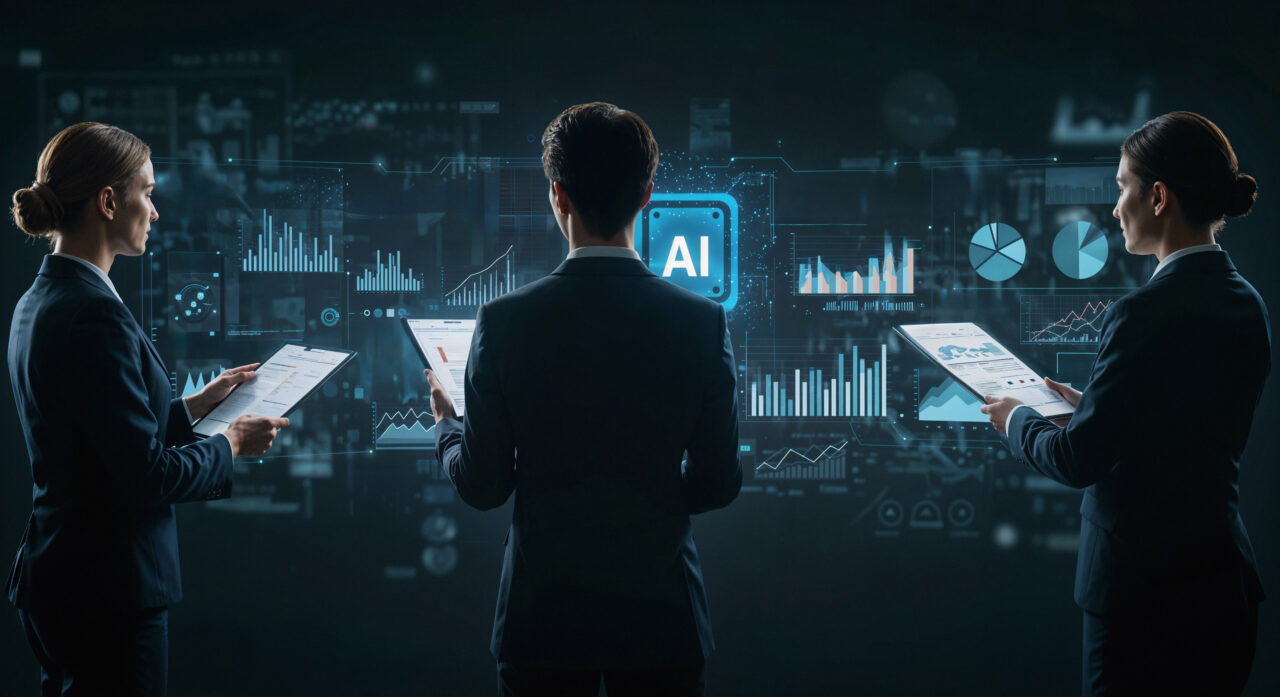
When Ryan sat down one morning with his team of marketers, he wasn’t brainstorming slogans or reviewing ad copies. He was testing something far more powerful. His laptop displayed a prototype driven by generative AI in digital marketing, capable of writing ad campaigns, generating visuals, and predicting audience reactions. The room buzzed with awe. It was not just another marketing tool; it was a revolution quietly rewriting the rules of engagement.
In less than a decade, generative AI in digital marketing has evolved from experimental tech into a mainstream necessity. It empowers marketers to produce content, automate decisions, personalize outreach, and gain insights at speeds never imagined. But more than efficiency, it is transforming creativity itself, connecting machines and people through stories that convert.
Let’s explore how generative AI in digital marketing is redefining the industry and setting new standards for personalization, scalability, and return on investment.
1. The Rise of AI-Generated Content
Not too long ago, creating high-quality content required hours of brainstorming, writing, and designing. Today, with AI content creation tools, marketers can generate blogs, ad copy, videos, and even podcasts in minutes without sacrificing quality. What makes this one of the most powerful aspects of generative AI in digital marketing is its ability to understand tone and intent. These tools do more than write. They adapt messages for different audiences.
For example, HubSpot’s 2024 State of Marketing Report shows 64% of marketers use AI or automation tools of some kind. That efficiency allows teams to focus on creativity and strategy while maintaining consistent quality and brand messaging. Agencies using AI content creation tools are discovering newfound agility. Campaigns that once took weeks are launched in days, giving brands a competitive edge in speed-to-market.
2. Smarter Customer Targeting with Predictive Insights
Ryan remembered how his company’s campaigns used to rely heavily on past data. Now, thanks to AI marketing strategies, they predict trends before they happen. By analyzing real-time data, such as browsing behavior, purchase patterns, and sentiment, AI systems deliver accurate customer insights. Marketers can identify when a user is ready to buy, what message will resonate, and which channel will convert best.
According to Salesforce’s 2024 State of Marketing Report, 63% of marketers leveraging AI report using generative AI. This predictive capability shifts focus from reactive advertising to proactive engagement.Companies are no longer chasing customers. They are meeting them right where they are, turning data into empathy and insight.
3. Visual Storytelling and Ad Personalization
Modern consumers crave authenticity, and personalized content with AI provides exactly that. Imagine an AI engine that crafts hundreds of ad variations instantly, tailoring images, copy, and tone for each viewer. For Ryan’s travel brand, that meant showing snowy mountains to one customer and sunny beaches to another, produced through the same campaign workflow. This is AI advertising automation in action, turning personalization into measurable performance. With generative AI in digital marketing, personalization happens in real time, at scale, without overwhelming creative teams.
4. Revolutionizing Social Media Engagement
Social platforms are some of the biggest beneficiaries of generative AI in digital marketing. From generating captions and hashtags to producing short-form videos optimized for trending topics, the entire content workflow can now be automated intelligently. Brands using AI for social media marketing can identify viral trends, craft timely posts, and predict which visuals or tone will boost engagement. One global cosmetics brand used AI to analyze millions of social posts and create dynamic promotional content, resulting in a 120% increase in engagement in just one quarter. This blend of creativity and analysis gives marketers a clear advantage: data-informed storytelling delivered with precision and speed.
5. Hyper-Personalized Email and Search Campaigns
Personalization has evolved from an optional feature to a critical expectation. With personalized content with AI, email campaigns can adjust subject lines, preview text, and call-to-action buttons for each customer, leading to higher open and conversion rates.Similarly, how to use AI for SEO is one of the top topics in the marketing community today. AI tools now automate keyword clustering, recommend meta descriptions, and analyze competitor performance.
According to Siteefy’s 2024 AI in Content & SEO Report, 65% of businesses say AI tools have improved their SEO performance. This means adopting how to use AI for SEO is not just smart but necessary to remain visible in a saturated market.
6. Balancing Automation with Creativity
There was a time when automation seemed to threaten human creativity, but generative AI in digital marketing is proving the opposite. It acts as a creative partner, enhancing instincts with data-driven support. For every AI-generated campaign, there is still a human strategist guiding tone, emotion, and storytelling. This human–AI collaboration enables brands to scale content while maintaining authenticity. With AI advertising automation, repetitive tasks like ad testing and segmentation are handled automatically, leaving creative professionals free to focus on messaging and innovation.
7. Ethical and Transparent Applications
As technology evolves, ethical responsibility takes center stage. Transparency and accountability are now key pillars of AI marketing strategies.Consumers want to know how their data is collected and used. A report found that 85% of consumers are more loyal to brands that are transparent about their AI use. Companies using AI for social media marketing responsibly are already standing out. This ethical shift is reshaping brand trust. Modern marketing success is no longer measured only by clicks but by credibility and connection.
8. What the Future Holds
As Ryan closed his laptop after another successful campaign, he realized the future of generative AI in digital marketing wasn’t about replacing marketers but empowering them. From AI content creation tools to personalized content with AI, this technology amplifies creativity, speeds up execution, and improves results. The next wave of innovation will merge predictive analytics, natural language processing, and real-time personalization to make marketing more intuitive than ever. Businesses that embrace this transformation now will lead in engagement, return on investment, and customer loyalty.
Final Thoughts
The journey of generative AI in digital marketing is more than a technological upgrade. It represents a creative awakening. Marketers who learn to harness the full potential of these tools will tell richer stories, build stronger communities, and drive unprecedented growth. Artificial intelligence is not taking creativity away. It is expanding it. The question for organizations now is simple: are you ready to collaborate with it?